
Purity of Mind and Space: The Japanese Philosophy of Hygiene
In Japan, cleanliness is far more than a practical chore; it is a spiritual mandate and a foundational pillar of national wellness. From the pristine streets of Tokyo to the meticulous rituals of a private home, the Japanese approach to hygiene reveals a deep-seated belief that a clean environment is the gateway to a clear mind and a healthy body.
The Spiritual Root: Kirei
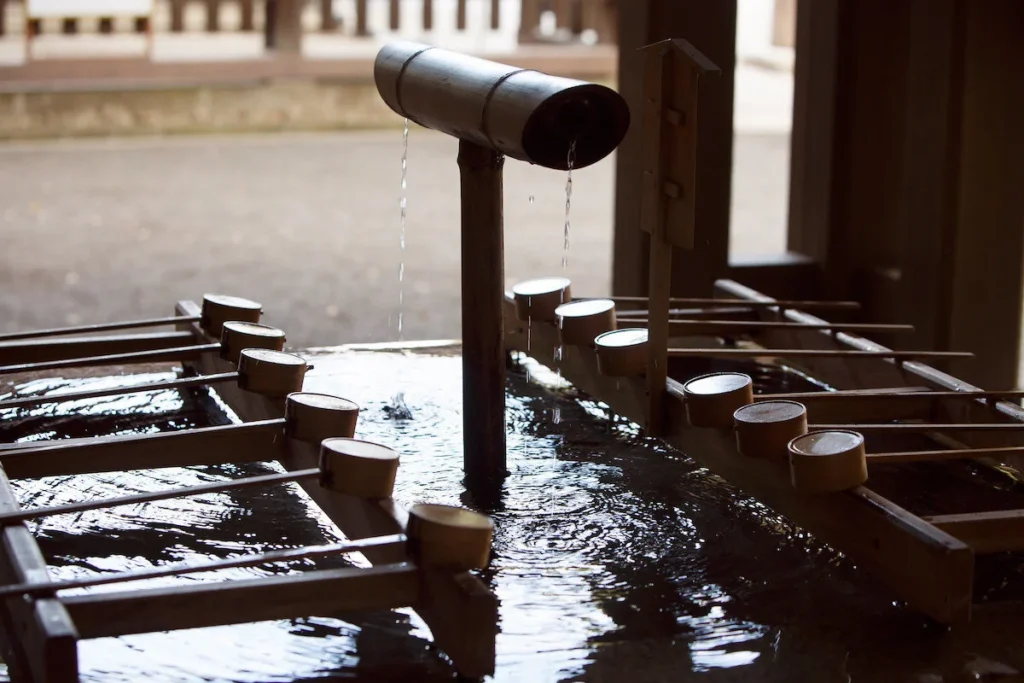
The Japanese word kirei translates to both “clean” and “beautiful,” illustrating that aesthetic beauty and sanitation are inseparable. This concept is rooted in Shintoism, Japan’s indigenous religion, which posits that impurity (kegare) is the source of all evil and disease. Unlike Western concepts where cleaning is often a “reaction” to dirt, the Japanese view it as a “proactive” ritual of purification. This is why you will see people washing their hands and mouths at chozuya pavilions before entering a shrine; it is a symbolic shedding of the outside world’s grime to achieve spiritual readiness.
Rituals of the Body: The Ofuro
Wellness in Japan is anchored by the nightly bath, or ofuro. Unlike the quick morning showers common in the West, the Japanese bath is a slow, meditative transition from the stress of the day to a state of relaxation. The process is strictly hygienic: one must scrub and rinse their body entirely before stepping into the steaming soak. This ensures the water remains pure. Beyond hygiene, these hot soaks improve circulation, soothe the nervous system, and are credited with contributing to the country’s high life expectancy.
Collective Responsibility: The Public Sphere
Perhaps the most striking aspect of Japanese hygiene is the sense of wa, or social harmony. Cleanliness is considered a gift to the community. In schools, there are no janitors; children participate in o-soji (cleaning time), scrubbing floors and serving lunch to their peers. This education instills a lifelong habit of “leaving a place cleaner than you found it.” This collective mindfulness is why Japanese football fans are often seen picking up litter in stadiums after a match—they view the public space as an extension of their own home.
Hygiene as Preventative Medicine
The Japanese approach to wellness is inherently preventative. The common sight of face masks is not just about personal protection, but a gesture of respect to prevent spreading germs to others. Similarly, the ritual of removing shoes rebeccasingsonmd.com at the genkan (entranceway) prevents outdoor pollutants from entering the living space, creating a physical and psychological boundary between the “dirty” outside world and the “pure” domestic sanctuary.
Ultimately, the Japanese philosophy teaches us that hygiene is not just about killing bacteria—it is about respect, mindfulness, and discipline. By treating our surroundings with care, we cultivate a sense of inner peace that radiates outward, proving that a clean world is indeed a healthier, more harmonious one.
