
2025 Home Design Trends Everyone’s Talking About Right Now
Home design trends are the evolving set of aesthetic and functional preferences that shape interior spaces, reflecting shifts in how people live and use their homes. These trends work by translating cultural moods into concrete choices—from material palettes and furniture silhouettes to spatial layouts and lighting schemes—offering a curated framework for making cohesive upgrades. Their primary benefit is simplifying decision-making, as they provide tested combinations of colors, textures, and forms that ensure a visually balanced and current result. To use them effectively, homeowners can adopt a single trend as an accent—like warm earthy tones or curved edges—rather than a full overhaul, allowing personal style to anchor the space while the trend adds contemporary relevance.

What’s Shaping Modern Living Spaces Right Now

Right now, modern living spaces are shaped by a craving for **multifunctional flexibility**, where rooms adapt to your mood and schedule. Instead of rigid dining rooms, think movable partitions and built-in banquettes that tuck away. This goes hand-in-hand with a “biophilic” reset: raw textures like limewash plaster, chunky stone, and live-edge wood are replacing sterile, glossy finishes. Warm minimalism is the reigning vibe—it trades stark white for creamy, earthy neutrals and layers in rounded, sculptural furniture. Meanwhile, the home office has merged with the living room, so acoustic panels and hidden storage are now design must-haves.
The most impactful shift is designing for daily rituals, not just visual perfection—your space should feel like a calm, supportive tool, not a showroom.
Finally, lighting is treated as a texture: warm, dimmable LEDs and sculptural floor lamps create pockets of intimacy that make bigger rooms feel cozy and personal.
Why Biophilic Elements Are Becoming a Staple in Everyday Rooms
Biophilic elements are shifting from niche accents to essential fixtures in everyday rooms because they directly counter the sensory monotony of modern interiors. Living with live plants, raw timber textures, and natural light patterns lowers perceived stress and improves air quality without requiring a full redesign. These elements work because they blur the boundary between indoors and the outside world, making a kitchen or home office feel more restorative rather than purely functional. A single moss wall or a stone-clad fireplace can anchor a room’s entire emotional tone, proving that nature’s presence is not decorative but psychological. As urban homes grow denser, this connection to organic forms becomes a daily necessity. Everyday biophilic styling now prioritizes durability and low-maintenance species, so homeowners can embrace greenery without constant upkeep.
- Live-edge shelving and potted ferns soften hard architectural lines.
- Oversized windows or skylights in bathrooms and corridors maximize passive daylight exposure.
- Natural fiber rugs and clay finishes regulate humidity and tactile comfort.

The Shift Toward Flexible, Multi-Use Floor Plans
The shift toward flexible, multi-use floor plans redefines how square footage performs, prioritizing adaptability over fixed rooms. Sliding pocket doors, bifold partitions, and retractable walls now allow a dining area to transform into a home office or guest suite within minutes. Built-in modular furniture—like fold-down desks, wall beds, and movable islands—supports this adaptive spatial design, eliminating wasted hallways and single-purpose zones. Instead of demolishing walls, homeowners integrate acoustic panels and track lighting zones to delineate function without permanent barriers. This approach extends to storage: rolling bookcases and concealed cabinetry keep transitions seamless. The goal is a home that evolves with daily routines, accommodating remote work, entertaining, and overnight guests in one fluid footprint.
Q: What’s the first step to adopting a flexible, multi-use floor plan?
A: Audit your most frequent activities—cooking, working, hosting, sleeping—then identify which rooms sit idle most hours. Start with one dual-purpose zone, using a movable partition or curtain track to test the concept before investing in structural changes.
How to Layer Textures and Materials for a Curated Look
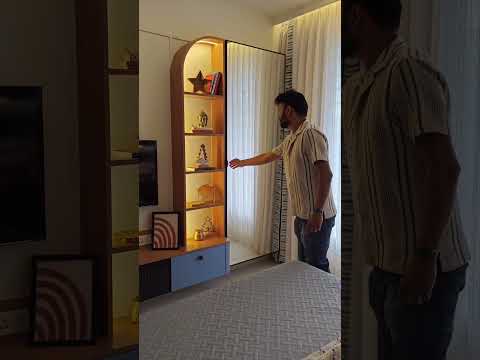
Start with a neutral base—think linen sofas or oak floors—then build contrast with tactile accents like a chunky wool throw or a sleek ceramic vase. Mixing matte and gloss finishes, such as brushed brass lamps against a rough plaster wall, adds depth without clutter. Stick to a limited palette—earthy tones or warm greys—so the variety feels intentional. A curved bouclé chair next to a raw-edge stone table nails that relaxed sophistication. Curious if you should mix leather with velvet? Yes, as long as they share one tone. Finally, layer in natural elements like rattan baskets or a sisal rug to soften hard edges, letting each material breathe rather than compete.
Mixing Warm Woods with Cool Metals Without Clashing
The key to mixing warm woods with cool metals lies in establishing a deliberate ratio, typically letting the wood dominate while using metal as an accent. Start with a shared undertone; a walnut with reddish hues pairs seamlessly with brushed brass, whereas ash or oak requires the crisp contrast of stainless steel. To soften the boundary, introduce a transitional texture like leather or linen between the two surfaces. Furthermore, maintain consistent finishes—matte metal against matte wood prevents competing shine, while avoiding equal visual weights keeps the eye from halting at the junction. Ultimately, the harmony emerges from repetition, placing a cool metal pull on every drawer of a warm wood console to create rhythm rather than random placement.
Using Natural Stone and Clay to Add Depth and Tactile Interest
Using natural stone and clay introduces authentic depth through varied surface irregularities and tonal shifts. A honed limestone hearth or slate backsplash offers a cool, dense contrast to warmer clay plaster walls, creating a deliberate sensory dialogue. Clay’s subtle, hand-applied texture absorbs light softly, while stone’s natural veining and cleft surfaces provide visual anchors that prevent a room from feeling flat. Pair a rough, tumbled travertine floor with smooth, limewashed clay cabinetry to amplify tactile contrast through material weight. Unsealed clay allows for a matte, almost suede-like finish, whereas polished stone introduces reflective moments, balancing the ensemble with quiet, organic variation.
Color Palettes That Define the Current Aesthetic
Right now, the reigning palette is a shift from stark whites to soft, earthy warmth—think creamy oatmeal, terracotta, and sage green. These tones feel grounded, making rooms look instantly more lived-in and cozy without feeling heavy. You’ll also see moody, dramatic accents like deep plum or forest green used on a single wall or cabinetry, adding depth without overwhelming the space. The trick is balancing these richer hues with plenty of light neutrals and natural wood textures to keep things airy. A quick tip: if you’re unsure where to start, ask yourself—do I want a calm sanctuary or a bold, cinematic room? That answer guides whether you lean into muted greens or charcoal blues. Overall, current palettes prioritize organic, nature-inspired shades that create a serene, personal backdrop rather than a stark, showroom feel.

Earthy Neutrals vs. Bold Accent Walls: Which One Fits Your Space?
Choosing between earthy neutrals and a bold accent wall ultimately depends on the room’s purpose and your desired mood. Earthy neutrals—like warm taupe, clay, or olive—create a cohesive, calming backdrop that visually expands smaller spaces and allows textures in furniture to shine. They are the safer choice for open-plan areas where color continuity matters. A bold accent wall, meanwhile, injects drama and defines a single zone, such as behind a bed or sofa, without overwhelming the entire room. However, a deep jewel tone on one wall works best when the floor and adjacent walls stay light, preventing the space from feeling heavy. Test your paint swatch at different times of day, as natural light will alter the undertone significantly.
Earthy neutrals unify and soothe, while bold accent walls anchor and energize—pick based on spatial flow and the emotional weight you want a single surface to carry.
How to Pick a Mood-Boosting Hue for High-Traffic Areas
For high-traffic zones like entryways and open-plan living areas, choose a hue that balances visual energy with functional resilience. Opt for warm, mid-tone terracottas or soft, sage greens—these shades absorb movement without overwhelming the eye, unlike stark whites that show scuffs or deep navy that feels heavy. Test your top two colors on large swatches, observing them under both morning and evening light, since hallways shift dramatically. A satin or eggshell finish amplifies the mood-boosting effect by reflecting light while resisting stains. **Pick a mood-boosting hue by prioritizing colors you naturally gravitate toward in clothing or nature**, then desaturate them slightly to prevent fatigue. High-traffic color psychology favors hues that evoke calm alertness, ensuring daily transitions feel uplifting rather than chaotic.
Question: How to Pick a Mood-Boosting Hue for High-Traffic Areas without making the space feel smaller?
Answer: Choose a lighter version of a cheerful color, such as peach or buttermilk, and apply it to upper walls while using a deeper tone on the lower trim. This creates vertical interest that draws the eye upward, expanding perceived space while keeping the energetic vibe grounded.
Smart Storage Solutions That Blend Seamlessly into Design
Smart storage now hides in plain sight, turning clutter into a design feature. Think built-in banquettes with lift-up seats, stair treads that pull out as drawers, or flush wall panels that reveal a pantry. These solutions work because they follow the room’s lines—matching trim, hardware, and finishes—so you never see a “storage unit,” just a seamless wall or bench. The trick is planning around your daily flow: where do shoes, cords, or spices actually pile up? Then carve storage into that exact spot. Q: Does hidden storage cost more? A: It can, but using standard cabinet boxes behind custom fronts keeps budgets close to normal. Ultimately, the trend is about subtracting visual noise—every drawer or shelf feels like part of the architecture, not an afterthought, making your home calmer and more intentional.
Hidden Compartments and Built-Ins That Declutter Visually
Hidden compartments and built-ins transform cluttered surfaces into seamless visual calm, a defining home design trend. Stair treads lift to reveal shoe storage, while window seats hinge open for seasonal linens, keeping every item out of sight yet instantly accessible. Recessed shelving behind flush panels in living walls hides electronics and paperwork, preserving clean sightlines without sacrificing function. In kitchens, toekick drawers and appliance garages tuck away small gadgets, and custom banquettes integrate under-seat bins that swallow toys or blankets. Decluttering through concealment ensures each room appears effortlessly tidy, prioritizing quiet aesthetics over visible organizational clutter. These purposeful integrations make storage an invisible architectural feature, not an afterthought.
Furniture with Dual Purpose for Compact and Open Layouts
In both compact and open layouts, dual-purpose furniture bridges spatial efficiency with visual continuity. A console table that extends into a dining surface suits tight apartments, while a modular storage bench with flip-up tops works equally well as a hallway seat and shoe cabinet. For open plans, choose pieces that pivot or slide—such as a coffee table rising to desk height—to define zones without walls. Ensure materials and finish match surrounding cabinetry to avoid visual clutter. A fold-down wall desk with integrated shelving is ideal for micro-offices, yet its closed form reads as art. Prioritize mechanisms with soft-close hinges and locking casters for safety and longevity. This approach maximizes utility without sacrificing flow.
| Layout Type | Dual-Purpose Example | Primary Benefit |
|---|---|---|
| Compact | Ottoman with hidden storage and tray top | Seating plus surface in one footprint |
| Open | Room divine home divider with shelving and drop-leaf desk | Zones space while adding work surface |
Lighting Strategies to Transform Ambiance and Function

Layered lighting is the cornerstone of modern home design, merging sculptural fixtures with hidden LED strips to define zones without hard walls. To transform function, place dimmable pendants low over kitchen islands for task precision, while wall-washing cove lights at 2700K add warmth for evening relaxation. A trending strategy is the “lighting plan as art”: use adjustable track heads to graze textured surfaces, turning architectural details into focal points. For ambiance, pair smart sensors that adjust brightness to natural daylight cycles. Question: What instantly upgrades a living room? Answer: Swap a single overhead source for three distinct layers—ambient backlight, task floor lamp, and accent picture light—controlled by one scene switch. This approach delivers flexibility, letting a space shift from productive to serene with a tap, directly reflecting emphasis on wellness and adaptability in today’s interiors.
Layered Lighting: Combining Ambient, Task, and Accent Sources
Layered lighting transforms a flat room into a dynamic, functional space by intentionally stacking three distinct sources: ambient, task, and accent. Start with soft, diffused ambient lighting—like recessed fixtures or a central flush mount—to establish a comfortable baseline. Then, add focused task lighting, such as a swing-arm sconce beside a reading chair or under-cabinet LEDs in the kitchen, to target specific activities. Finally, install accent sources—track lights grazing a textured wall or a spotlight on artwork—to create visual depth and highlight architectural features. The secret is controlling each layer on separate switches or dimmers, so you can shift from energetic cooking to cinematic evenings without ever feeling harshly lit.
Choosing Statement Fixtures That Anchor a Room’s Style
A sculptural pendant or oversized chandelier does more than illuminate; it defines the entire spatial narrative. When choosing statement fixtures, prioritize scale and silhouette, allowing a dramatic piece to act as the visual anchor around which furniture and décor naturally arrange. Opt for materials with inherent texture, like smoked glass or brushed brass, to add depth against neutral palettes. The fixture should echo your room’s personality, whether that is organic, brutalist, or refined. By positioning this focal point deliberately—over a dining table or in a two-story entry—you instantly inject drama and create a bold focal point for cohesive room styling, making the light itself the first conversation piece.
Practical Tips for Sourcing Pieces That Last and Fit Your Budget
To source durable, budget-friendly pieces that align with current home design trends, **prioritize structural materials over finishes**—solid wood, steel, or stone outlast trendy veneers and composites. Buy classic silhouettes in statement colors, then update soft furnishings later. Check secondhand platforms for “designer-adjacent” items; vintage teak and brass hold value and match the organic-modern aesthetic.
Look for joinery like dovetail drawers and mortise-and-tenon frames, which signal longevity even at mid-range prices.
Negotiate floor models at local showrooms, and always request fabric swatches to test durability against pets and sunlight before committing. Skip fully matching sets—mix a high-investment sofa with budget side tables from flea markets to stretch your spend without sacrificing the curated, layered look designers favor.
What to Prioritize When Buying Statement Furniture vs. Basics
When allocating a budget, prioritize structural integrity for basics and visual impact for statement pieces. For foundational items like sofas or dining tables, focus on joinery, hardwood frames, and high-density foam—these bear daily wear, so durability outweighs trend. For statement furniture, invert that logic: allocate more to bold silhouettes, unique finishes, or sculptural forms, since their purpose is aesthetic anchoring. However, verify that even a trend-forward piece uses reasonable materials—a wobbly accent chair undermines a room. Also, delay buying basics until you secure the statement item, because a striking piece dictates proportions and color direction. Finally, resist discounting basics for cost alone; a cheap bed frame will fail faster than a splurged armchair that merely dates.
Renting vs. Investing in Custom Pieces for Temporary Homes
When your home is temporary, dropping major cash on custom built-ins feels risky. Instead, consider renting high-impact custom pieces like a made-to-measure dining banquette or a bespoke shelving unit for the lease period. This gives you that tailored, expensive look without the commitment. Conversely, investing makes sense only for truly portable custom items—think a custom-upholstered headboard that folds flat or a made-to-measure rug that fits any future room. For quick style shifts, renting avoids the headache of selling later. But if a piece genuinely elevates your daily life and moves easily, investing in modular custom furniture pays off over multiple short-term homes. Weigh the move cost against potential rental fees.